
Carrying cash at the airport could cost you
Inside the Institute for Justice’s fight against cash forfeiture involving the TSA, DEA and DOJ
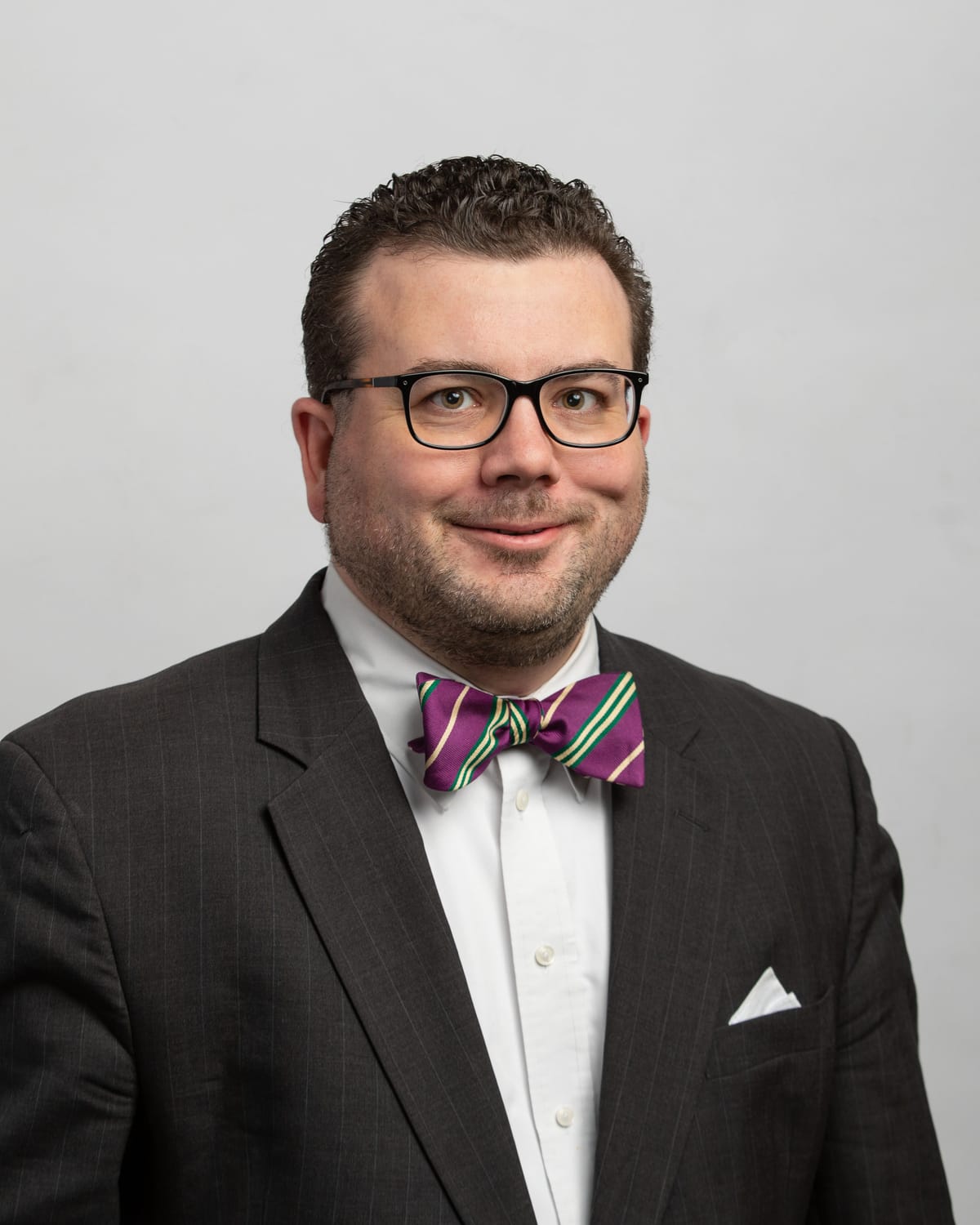
Making life uncomfortable for government agencies that abuse their power is Dan Alban’s job. As co-director of the End Civil Forfeiture initiative at the Institute for Justice (IJ), he's built a career on dragging government overreach into the light—one FOIA request, one deposition, one reluctant document production at a time.
His current project: a class action lawsuit alleging that the Transportation Security Administration (TSA) has been quietly helping law enforcement flag travelers carrying cash for potential forfeiture at airports across the country. Here, Alban discusses allegations raised in ongoing litigation involving the TSA, DEA and DOJ.
—Interview by Emily Kelchen, edited by Bianca Prieto
The partial government shutdown and its impact on travelers are generating a lot of headlines right now, but you think there’s a bigger TSA-related story out there. What’s going on?
IJ has been defending people from civil forfeiture for decades, and in 2020, we filed a class action lawsuit meant to stop unconstitutional searches and seizures perpetrated by TSA and DEA at American airports. The discovery in our case exposed training documents that instruct TSA screeners to violate the Fourth Amendment and the law. The agency has secret procedures to search for cash and alert law enforcement, which often seizes the money for civil forfeiture.
TSA is not involved in the forfeiture process formally, but it is using the limited search authority Congress granted it in order to search for something that isn't a threat to airline safety: cash. This search for cash is both a Fourth Amendment violation and exceeds TSA’s statutory authority.
Who are the people most affected by these seizures, and what happens to them after their money is taken?
People who fly frequently for business or pleasure purposes are at the most risk.
For instance, plaintiff Matthew Berger uses cash to purchase pre-owned vehicles, which is often a transaction with someone he is meeting for the first time. Cash is the most reliable way to complete a transaction. Plaintiff Stacy Esposito enjoys gambling at casinos, and carrying cash on the plane is often the easiest way to do that. Neither wants to risk losing their cash again since fighting civil forfeiture is expensive and time-consuming.
Do you see this as a TSA problem specifically, or as a symptom of something larger in administrative enforcement culture?
Civil forfeiture is fundamentally problematic, whether money is being seized at an airport, by the side of the road or on the street. The government also uses civil forfeiture to seize cars and homes. No one should lose their property without being convicted of a crime. Civil forfeiture turns the notion of "innocent until proven guilty" on its head.
What can this lawsuit teach us about challenging agency overreach when the real rules aren’t written down?
It turned out the TSA policies we challenged were written down; they were just secret policies, classified as “Sensitive Security Information” by TSA. However, we did learn about additional policies at particular airports that were only written down in emails, if at all. And the training materials indicated that what screeners were being taught differed from what TSA claimed their policies required.
Obviously, you only learn these things if your discovery requests are comprehensive and you are diligent about insisting the agency produce documents. Discovery in this case took four years because counsel at the DOJ was typically obstructionist, and the agencies were very slow to produce documents.
One large production took nearly a year and then had to be redone when we found errors in it. We had to request some emails be produced over a dozen times; some emails weren’t produced until just before the final TSA deposition in March 2025.
Are there other agencies using similar “shadow policies” that lawyers should be watching closely?
The Institute for Justice is currently litigating a class action in Alabama aimed at stopping Fourth Amendment-violating immigration raids on construction sites. Notably, ICE (United States Immigration and Customs Enforcement) used secret guidance to say that agents did not need judicially issued warrants when raiding private property. Another more recent whistleblower revealed that training procedures are deficient and instruct new agents to violate the Constitution.

You're all caught up!
Thanks for reading today's edition! You can reach the newsletter team at raisethebar@mynewsletter.co. We enjoy hearing from you.
Interested in advertising? Email us at newslettersales@mvfglobal.com
Was this email forwarded to you? Sign up here to get this newsletter every week.
Raise the Bar is written and curated by Emily Kelchen and edited by Bianca Prieto.


Comments ()