
Construction litigation is spiking
Board-certified litigator Stephen Schahrer on rising disputes and why a hands-on approach with experts is key
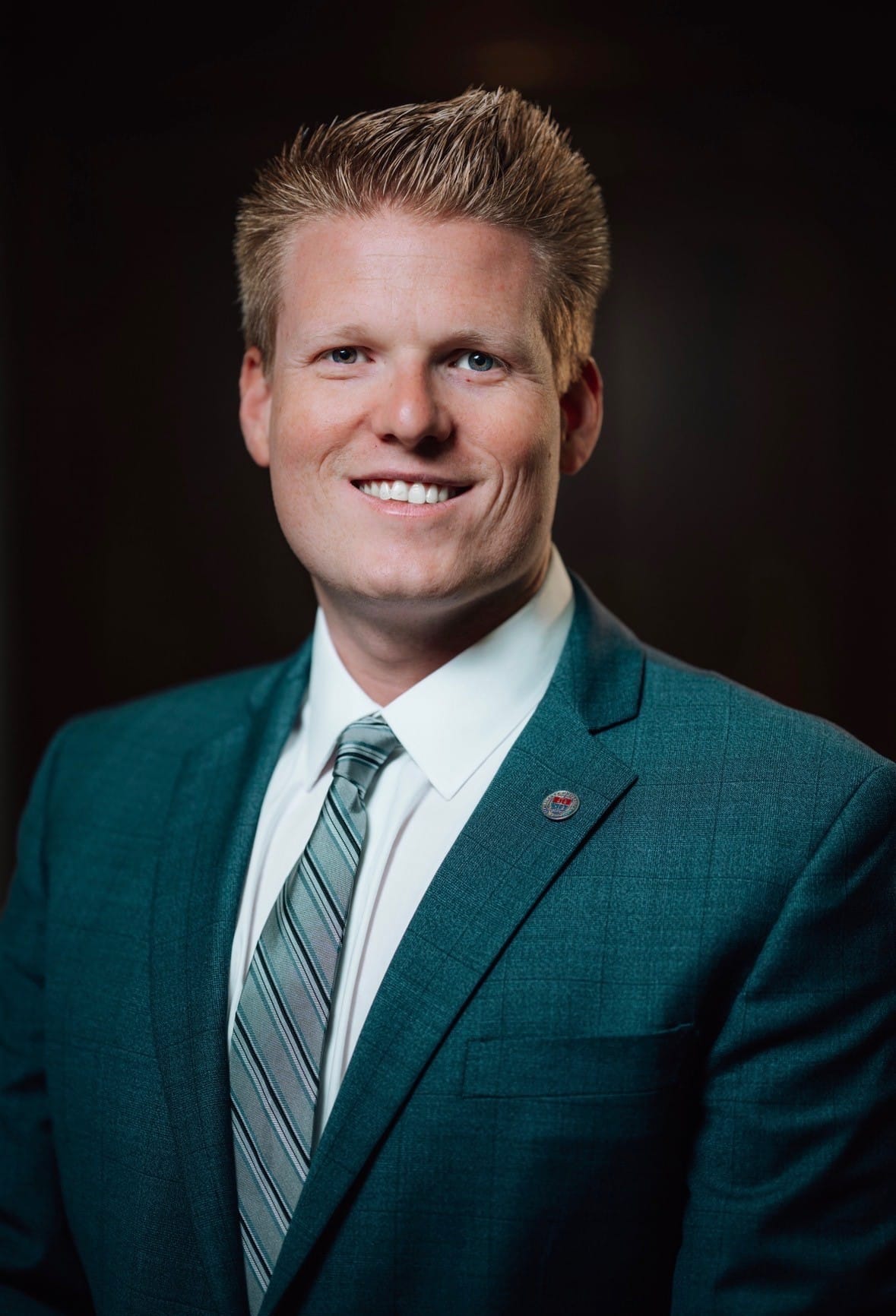
The legal industry is something of an economic barometer. As uncertainty increases, Stephen Schahrer, a shareholder at Boatman Ricci in Naples, Fla., expects to see construction litigation tick up. Here, Schahrer shares how he prepares his practice for shifts like this and why solidifying his relationship with experts is key.
—Interview by Emily Kelchen, edited by Bianca Prieto
For the past few years, the construction industry has been on a tear. Commercial, residential, new builds, renovations, everywhere you look, you seem to see construction. As someone who is board certified in business litigation and dedicates a large chunk of their practice to construction disputes, I imagine you’ve been busy as well.
Yes. In the rush to build during and post-COVID, I think many builders and contractors sacrificed quality for speed. I am seeing many defects and other issues come up as folks settle into their homes and business owners get a better feel for their properties.
It makes sense that there would be some lag time between work getting done and problems being noticed.
There’s a gap there for sure. But it doesn’t mean your practice is at a lull. There’s more transactional work when the market is hot, and more litigation when it’s not.
Right now, people are feeling the pressure of inflation and other economic factors, so payment disputes are on the rise.
I am also seeing certain builders and contractors start to suffer. In fact, I have seen several smaller contractors go under in my area recently. This typically triggers a wave of lawsuits from owners with defects or unfinished work.
What sort of things do you do to prepare your practice for an anticipated increase in litigation?
Most construction disputes settle prior to trial. This is in large part due to their complexity.
Oftentimes, you can go into a case believing you have identified the main issue, its cause and the responsible party, only to uncover a more serious issue which shifts your assessment completely. And there are often multiple parties who may share responsibility for the same issue. It almost always becomes a classic “battle of the experts.”
The key is having the right experts.
What characteristics make an expert the right one?
A good expert will help you identify the issue and provide the proper remedy for the issue.
They also need to be willing to work with you. I work very closely with my experts in construction cases and take an extremely hands-on approach. In any case, I always conduct a site visit early with the client and the expert to get my arms around the issues at hand. I have climbed in attics to physically observe and touch damaged trusses; I have assisted with live water tests to determine the sources of leaks, etc.
And that’s a good use of your time?
I am often asked by my more “cost-sensitive” clients why I need to be there, and I usually explain it this way: “Eventually, I may need to be able to explain your case to a jury, judge, mediator or arbitrator. In order to do that, I need to understand the issue and be able to explain it in my own words.” So, for me, to see, touch and feel the issue means that I can fully understand it and best explain it to those who need to understand it down the road.
Finding an expert who knows their stuff and is willing to work closely with you so you can be an effective advocate for your client is the key to success.

You're all caught up!
Thanks for reading today's edition! You can reach the newsletter team at raisethebar@mynewsletter.co. We enjoy hearing from you.
Interested in advertising? Email us at newslettersales@mvfglobal.com
Was this email forwarded to you? Sign up here to get this newsletter every week.
Raise the Bar is written and curated by Emily Kelchen and edited by Bianca Prieto.


Comments ()