
The network helping lawyer-moms navigate the profession
Michelle Browning Coughlin on the mission behind MothersEsquire
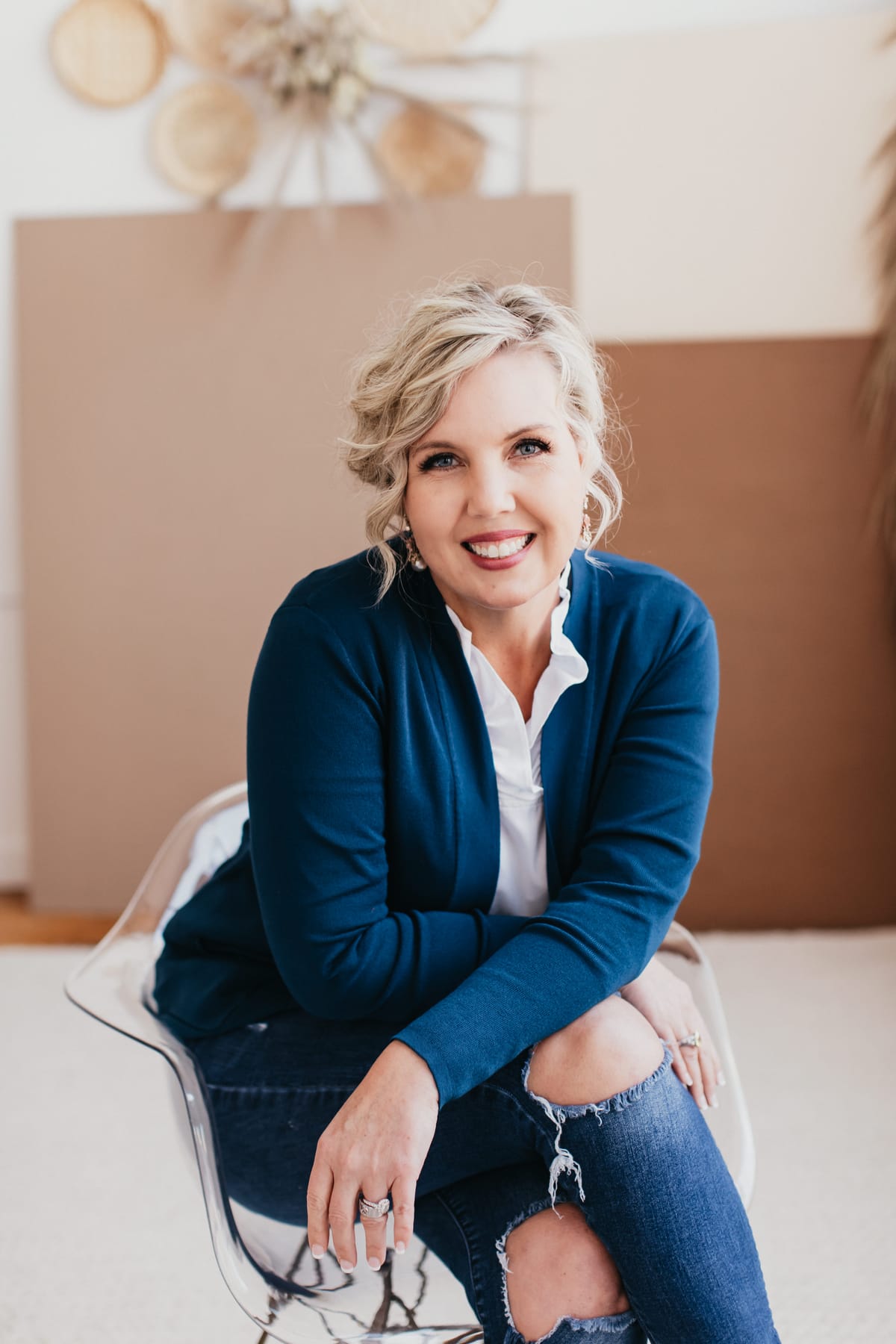
March is Women's History Month, a time when the legal profession pauses to celebrate trailblazers, firsts and glass ceilings shattered. But history isn’t just one watershed moment after another. It’s mostly made by regular people who choose to move the needle forward, one small act at a time.
That’s what makes MothersEsquire remarkable.
Founded by Michelle Browning Coughlin, a professor at Salmon P. Chase College of Law at Northern Kentucky University, the organization has grown from a small Facebook group to a national nonprofit focused on connection, advocacy and providing practical support to moms in the legal profession.
—Interview by Emily Kelchen, edited by Bianca Prieto
What inspired you and your co-founders to start MothersEsquire? Was there a specific gap you saw in the legal profession?
MothersEsquire started in 2013 as a private Facebook group. At the time, I had not been able to find any other national group focused specifically on the issues that affect mothers who are also lawyers.
Women’s bar associations across the country were doing important work, but a discussion of the issues that specifically affect mothers who are also lawyers—and the particular structural barriers that arise there—was desperately needed.
You were on to something, because 13 years later, you’re running a Facebook group with 10,000 people in it and a nonprofit organization! How has the mission of MothersEsquire evolved since it began?
In the early years, creating a place to connect about shared challenges of juggling motherhood and the practice of law was the primary objective. The Facebook group quickly became a space for heartfelt (and often funny) conversations, story-sharing and advice on the best car seat, breast pump, ink pens and shoes for standing in a courtroom all day.
We also had members use information shared in the Facebook group to negotiate parental leave, breastfeeding accommodations or flexible work arrangements after learning what peer firms provide.
But the biggest change came from the number of members telling us that the group helped them reframe the way they had been experiencing the juggle of parenting and law practice. Instead of thinking they were doing something “wrong,” they see that thousands of other mom-lawyers are often struggling with, or have struggled with, the same challenges.
That’s when we realized that there was also an opportunity for collective advocacy.
Some barriers to success are structural, even though they are very personal in nature.
Yes—these barriers are structural. They include compensation systems that reward and often demand constant availability, which does not take into account caregiving obligations. Moreover, origination credit structures often serve to disadvantage those who take parental leave or who cannot always engage in the after-hours expectations that networking norms demand.
Additionally, implicit biases about mothers—and what a “good mother” should do—intersect with gender, racial and other biases to impact how lawyers who also have children are evaluated and whether they are considered for advancement.
This is one of the reasons I wrote the children’s book "My Mom, the Lawyer". Every lawyer-mom is a superhero in a suit.
What’s one strategy from MothersEsquire that any firm could adopt to better support working parents?
Fully-paid parental leave for all parents, regardless of gender, for at least 12 weeks, is one of the most important policies that firms could adopt. And, it is not enough to adopt the policy, but to ensure that everyone can take it, especially fathers, who may feel that the culture of the firm will not support them taking leave.
However, knowing that many firms might not think they are in a position to enact this policy, every firm could create a caregiving affinity group that is given the opportunity to advise employers about their needs and what policies are working, and which policies need to be added or adjusted. With all affinity groups, meaningful access to firm leaders who are open to hearing the feedback and needs from the group can help firms and other legal employers identify practical strategies for improving retention and productivity of all of their caregiving attorneys, and hopefully prevent the loss of talent that the firm has cultivated.
What advice would you give to someone who wants to contribute to cultural change but doesn’t know where to start?
Start by building community—this message is really the core of what MothersEsquire has always been about. Find “your people”—the other lawyers who can relate to what you are going through and provide mentoring and guidance.
Continue to push for systemic changes in law firms and other legal employers, including transparency about compensation and advancement, caregiving-supportive policy adoption and metrics to assess how policies are working.
Cultural change in the legal profession has historically been incremental and often slow—but with collective energy, like that energy that MothersEsquire harnesses, we can make these changes happen.
What’s next for MothersEsquire?
As a volunteer organization, we are continuing to grow and manage the Facebook group. I’m proud of the fact that we have maintained the supportive nature of it while building an organization capable of influencing the broader profession.
We have been, and continue to, advocate for parental-leave continuance rules and greater access to breastfeeding accommodations through our Pump Up the Bar initiative. Ultimately, our goals continue to be to create a cohesive and powerful community that advocates for all caregiving lawyers and for gender equity in the legal profession.

You're all caught up!
Thanks for reading today's edition! You can reach the newsletter team at raisethebar@mynewsletter.co. We enjoy hearing from you.
Interested in advertising? Email us at newslettersales@mvfglobal.com
Was this email forwarded to you? Sign up here to get this newsletter every week.
Raise the Bar is written and curated by Emily Kelchen and edited by Bianca Prieto.


Comments ()