
What happens when one act of violence changes everything
Immigration attorney Susan Yaqubie on fear, policy shifts and defending Afghan survivors in a charged moment
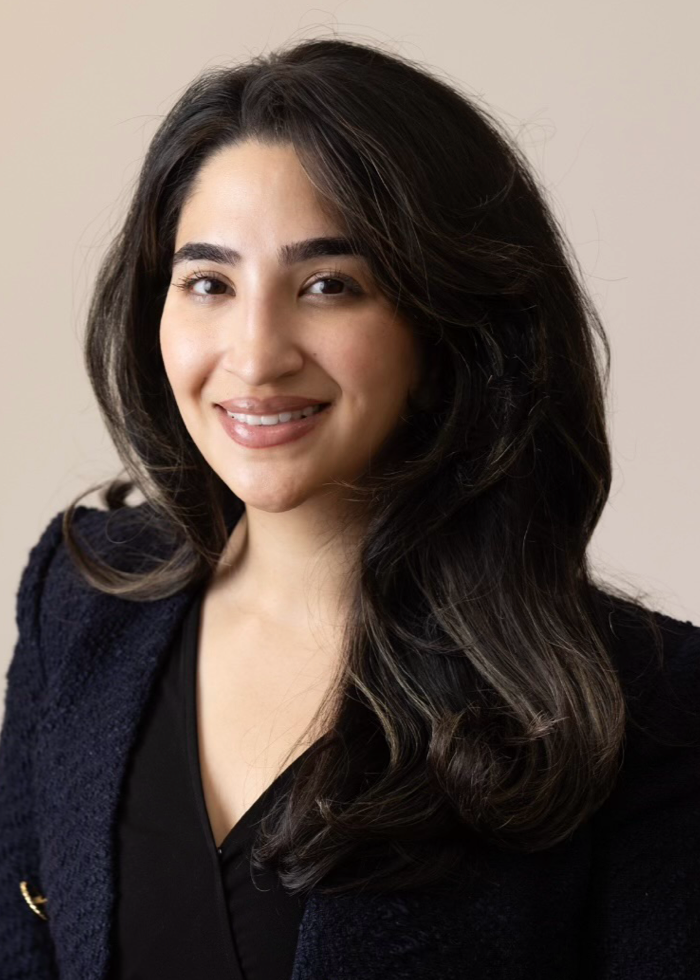

At the intersection of immigration law, humanitarian advocacy and trauma-informed practice stands solo practitioner Susan Yaqubie. As the founder of Yaqubie Law, she represents New York area survivors of gender-based persecution, families uprooted by conflict and Afghan immigrants.
Here, she discusses building a practice grounded in cultural awareness and compassion, offers guidance for working with clients carrying layers of trauma, and examines how the recent attack by an Afghan immigrant is reverberating through the legal system.
No matter your practice area, her insights underscore the essential role empathy plays in effective lawyering.
—Interview by Emily Kelchen, edited by Bianca Prieto
Knowing you work with a lot of Afghan immigrants, I’d appreciate hearing your thoughts about the recent shooting in Washington, D.C. and the government’s reaction to it. What are you seeing on the ground with your clients? Are they more afraid? Confused? Changing their plans?
It’s a tragedy on many levels. I grieve for the family of Sarah Beckstrom, and my thoughts are with Andrew Wolfe as he fights to recover from his injuries.
My heart also goes out to the countless Afghan families whose chance at starting anew in this country is in jeopardy because of one man’s awful choices. Immigration policies are shifting because of the attack, and that will impact vulnerable communities the most.
How do you talk to clients, many of whom are already survivors of trauma, about public rhetoric suggesting their communities are dangerous or unwelcome?
Many of my clients come to me carrying fear and uncertainty, and that makes me especially mindful about creating a space where they feel supported and understood. It also pushes me to be incredibly thorough and thoughtful in my work, because their cases carry stakes that are deeply personal to them and their families.
Has your identity helped you connect with these clients?
Yes. Many clients feel more comfortable discussing sensitive issues like domestic violence, forced marriage or family pressure with someone who understands those cultural dynamics without having to overexplain. It helps build trust and allows them to be more candid about their experiences.
A lot of the most important work I do happens quietly, in one-on-one conversations where someone finally feels safe enough to tell their story. I’m not just representing them in court, I’m connecting them with community resources and helping people understand rights they may never have been told they had. I also collaborate with nonprofits that support Afghan and refugee women.
Highlighting the overlap between immigration law and women’s rights seems very important to you. Is there a type of case that really shows how the two subjects are interrelated?
Cases involving Afghan Hazara women often illustrate that overlap. They face ethnic persecution, gender apartheid, political danger and religious extremism at the same time. Their cases bring every facet of immigration and women’s rights into the same conversation.
But almost every immigration case involving a woman highlights the additional hurdles they face. Language, cultural stigma, fear of retaliation, financial constraints and misinformation are huge barriers. Many women have never been allowed to speak openly about abuse or threats, then suddenly they’re in a system that expects them to recount complex trauma to government officers. It’s overwhelming.
For women experiencing gender-based violence or persecution, what protections exist, and where are the gaps?
There are important protections—VAWA, U visas, T visas, and gender-based asylum claims—but they’re often slow, misunderstood or difficult to prove. Many survivors don’t have safe access to evidence or documentation.
And the law still doesn’t recognize gender as a standalone asylum ground, which leaves significant gaps for women fleeing forced marriage, honor-based violence or gender apartheid.
Sounds like there’s a lot of work to do.
There is. And it can take an emotional toll. But at its core, every immigration case is a story of resilience and hope.

You're all caught up!
Thanks for reading today's edition! You can reach the newsletter team at raisethebar@mynewsletter.co. We enjoy hearing from you.
Interested in advertising? Email us at newslettersales@mvfglobal.com
Was this email forwarded to you? Sign up here to get this newsletter every week.
Raise the Bar is written and curated by Emily Kelchen and edited by Bianca Prieto.
Comments ()