
When caregiving changes how you advocate
A public defender on parenting and perspective


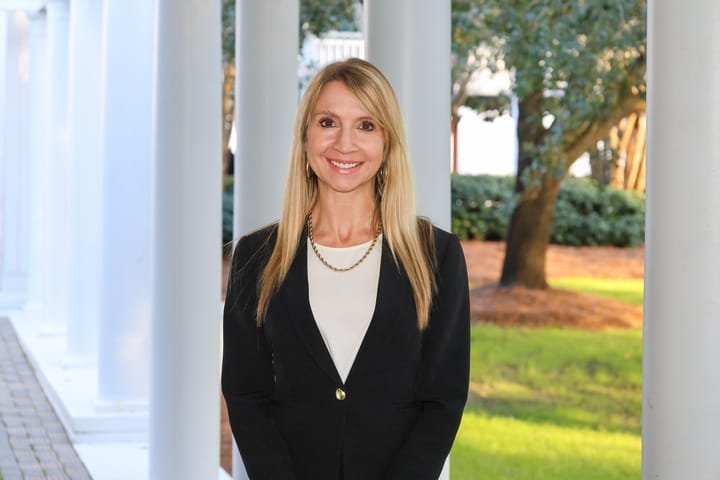
Parenting changes lawyers in countless subtle ways, but for some, it reshapes their practice from the ground up. This week, Raise the Bar caught up with Meghan Gulczynski, a New Jersey public defender whose path through public interest work has been deeply influenced by raising a disabled child. Here, Gulczynski reflects on how caregiving has sharpened her advocacy and helped her push institutions to act with the needs of real people in mind.
—Interview by Emily Kelchen, edited by Bianca Prieto
Public defense and public interest work are demanding. So is being a parent to a child with special needs. How have you structured your schedule or boundaries to make space for both?
The focus of my entire legal career has been increasing access to justice. I went from CUNY School of Law—where the school’s motto is “Law in the Service of Human Needs”—to legal services, where I represented clients in family court, housing court and consumer protection cases, and helped seniors navigate complex benefit programs.
As I was entering my second decade of practice, my daughter began facing challenges in school. It took a decade of doctor's appointments, but she was ultimately diagnosed with autism.
That decade changed the trajectory of my career.
My former employer wasn’t supportive in the way I needed, so I left. I opened my own firm and began working on a contract basis with the public defender’s office in family defense. I later joined the New Jersey Public Defender’s office, practicing family defense in their appellate section.
That’s a lot of moving pieces.
Everything changed. My daughter’s health. My career. And my perspective on my role as a parent and as an advocate.
How has being a parent to a child with special needs changed your perspective on advocacy?
My clients face extraordinary circumstances that I am fortunate not to face, but in many ways our struggles mirror each other.
They are often trying to parent without a safety net. Maybe because they lacked resources, whether financial or otherwise, navigating complex systems meant to help but often burdened families in need.
I’m constantly working to rebuild the safety net I thought I had before my daughter’s health issues arose. It’s overwhelming, but I have to set those feelings aside to be an effective advocate for her needs in a school setting, in the doctor’s office and in establishing a social network for her and our family to support us as a whole.
Figuring out how to build or be someone’s safety net is what effective advocacy is.
Are there specific skills you’ve developed as a parent that unexpectedly translate into your public defender practice?
Having a child with autism made me more aware of different learning styles. This is important in my work because, at its core, representing a client means teaching your client the law and explaining their options so they are empowered to make the decision they believe is in their best interest.
Conversely, I think my commitment to client-centered representation has helped me as a parent. My daughter has always thrived when her destiny is in her control, rather than an outside force dictating what comes next.
What do you wish your coworkers or the legal profession more broadly understood about parenting a disabled child while practicing law?
I have been open about my child’s needs while also trying to protect her privacy, but as a parent, ultimately, you put your child’s needs first. Being open about my daughter’s needs has allowed me to seek out spaces that are supportive and to also create that space when needed.
I am particularly thankful that the New Jersey Bar Association created a special committee devoted to parents with children who have disabilities. I think there is a need for support, understanding and mentorship for parents who are caregivers of children with disabilities, and we are trying to be that resource.

You're all caught up!
Thanks for reading today's edition! You can reach the newsletter team at raisethebar@mynewsletter.co. We enjoy hearing from you.
Interested in advertising? Email us at newslettersales@mvfglobal.com
Was this email forwarded to you? Sign up here to get this newsletter every week.
Raise the Bar is written and curated by Emily Kelchen and edited by Bianca Prieto.


Comments ()