
Why one law firm spun philanthropy into a foundation
This Arizona practice formalized giving without blurring lines


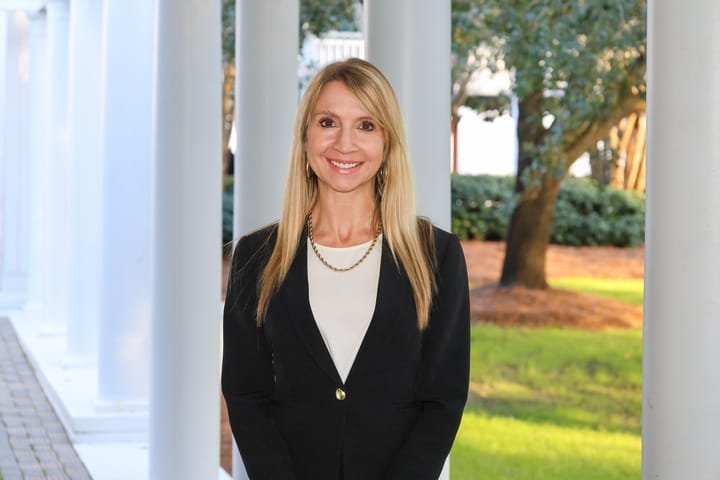
Sometimes, the impact your firm has on the community is just as important as your legal work. That’s one of the reasons why the Phillips Law Group, a personal injury practice based in Phoenix, Ariz., spun its charitable work off into a 501(c)(3) over 30years ago. Here, we spoke with Olga Phillips, co-founder and leader of the Phillips Law Foundation, about the nuts and bolts of this kind of formalized philanthropy.
—Interview by Emily Kelchen, edited by Bianca Prieto
What problem were you trying to solve by creating a separate foundation instead of keeping charitable work in-house or going through another local organization?
As the firm grew, we realized our charitable efforts needed structure, transparency and long-term continuity. Keeping everything in-house, limited scale and clarity, while donating through other organizations did not always allow us to respond quickly to urgent community needs. Creating a separate foundation allowed us to formalize our giving, establish accountability and build sustained partnerships without blurring lines between legal services and philanthropy.
How do you determine which projects or initiatives the foundation supports each year?
We look at community need, mission alignment and where we can create measurable impact. We prioritize initiatives that serve vulnerable populations, support families and strengthen local organizations doing meaningful work on the ground.
How do firm lawyers and staff engage with the foundation?
Participation is organic. Some volunteer, some donate, some help organize events. There is no mandate. We believe authentic engagement is far more powerful than forced participation.
Is there a wall—for lack of a better word—between the law firm and the foundation?
We are intentional about maintaining separation. The foundation has its own governance structure, decision-making authority and charitable mission. While there is alignment in values, there are clear ethical boundaries so that foundation activities are never tied to case outcomes, client intake or legal strategy.
The level of ongoing compliance and documentation required is more extensive than you might expect. Governance, reporting and ethical guardrails must be taken seriously from day one. For law firms considering this path, understanding that a foundation is not “set it and forget it” is critical.
How do you measure the foundation’s impact?
We look at outcomes, partnerships formed, people served and feedback from the community.
We’ve also noticed that the people who work at Phillips Law Group have stronger community relationships, the deep trust of clients and pride in what they do. These are not metrics you chase, but they naturally follow when the work is genuine.
It sounds like the existence of the foundation has really influenced the public’s perception of your firm.
A foundation is an extension of our values, not marketing. But when done right, it reinforces that our work extends beyond the courtroom. Clients, community members and the firm’s own employees see that we are invested in people, not just cases.

You're all caught up!
Thanks for reading today's edition! You can reach the newsletter team at raisethebar@mynewsletter.co. We enjoy hearing from you.
Interested in advertising? Email us at newslettersales@mvfglobal.com
Was this email forwarded to you? Sign up here to get this newsletter every week.
Raise the Bar is written and curated by Emily Kelchen and edited by Bianca Prieto.


Comments ()