
Would you promise your clients that you'll win?
This criminal defense lawyer has built his business on that guarantee
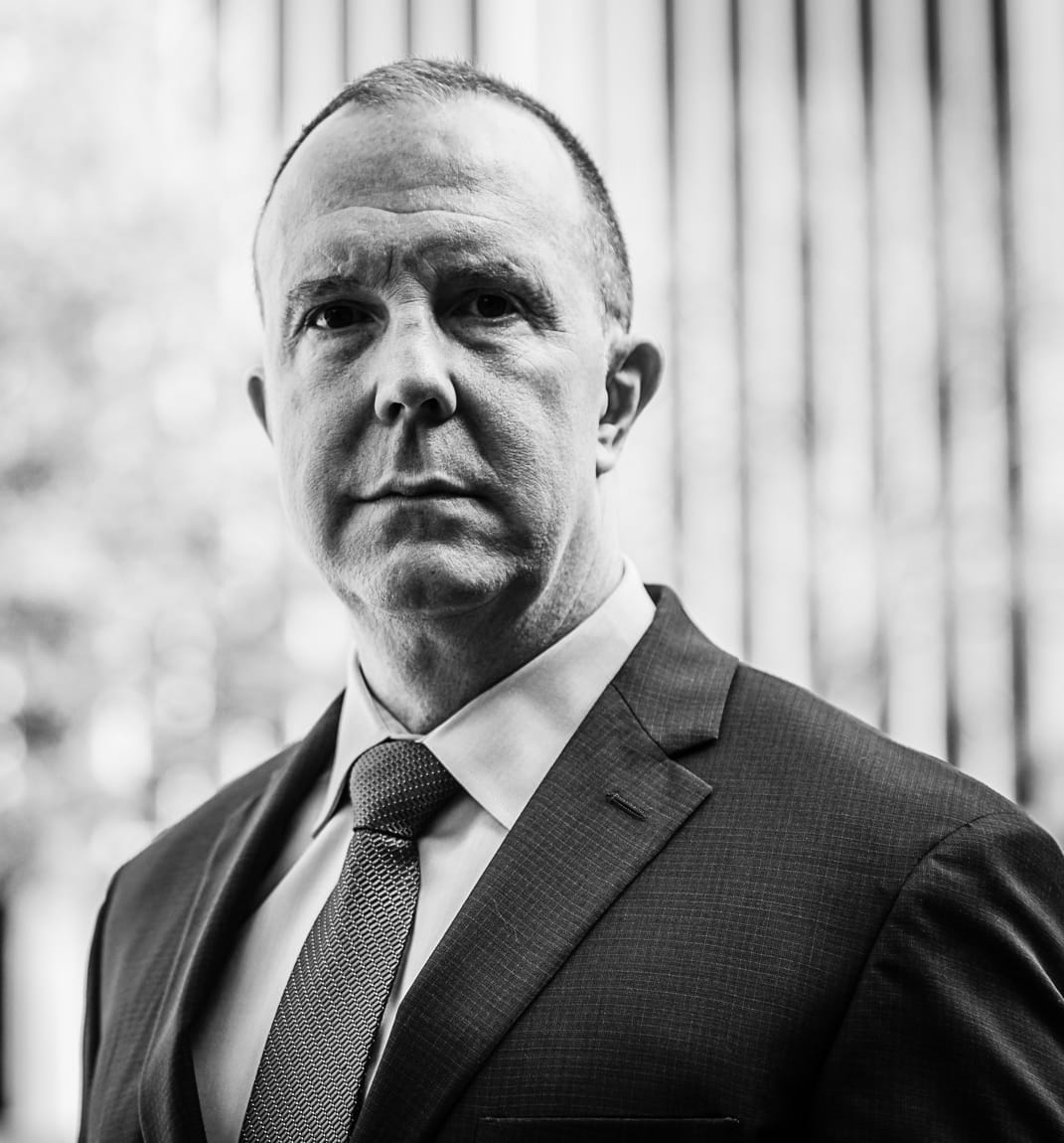
Lawyers are trained to hedge. Most of us qualify, disclaim and carefully avoid legal certainties or promises like the plague. But not Jeffrey Randa. At the Michigan criminal defense firm he founded, Jeffrey Randa and Associates, potential clients are guaranteed results. Raise the Bar caught up with Randa to talk about the strategy behind his guarantee, the ethical risks it creates, and the consequences of making such a bold promise.
—Interview by Emily Kelchen, edited by Bianca Prieto
You’re the first attorney I’ve ever seen guarantee results. What exactly are you promising your clients?
Our guarantee applies to first-time driver's license restoration and out-of-state clearance cases, and it's rather straightforward. We guarantee clients that we will win the first time around, or else we will continue to represent them before the Michigan Secretary of State Office of Hearings and Administrative Oversight (OHAO) without further attorney fees, until we do.
What made you decide to offer a guarantee in a field where outcomes are, by definition, uncertain?
The guarantee gives our clients confidence in our work. They know that we're going to carefully examine and handle every detail of their case because if we don't win, then our workload automatically doubles, and our compensation is instantly cut in half.
When I first saw your guarantee, I immediately thought about RPC 7.1. Does anyone ever question the ethics of guaranteed results?
No. It's an honest communication, and as much as it can be attractive to a potential client, it's also a safeguard for us to never take a case for anyone who does not meet the criteria required to win. A few lawyers have asked why we have a guarantee, and to us, that's just a signal that they don't screen their cases as well as we do.
Tell me a little bit about the screening process.
In Michigan, after having been convicted of multiple DUIs, a person is categorized as a "habitual alcohol offender" and is legally presumed to have some kind of alcohol and/or substance abuse problem. Upon conviction for a second offense within seven years, or a third offense within 10 years, their license will be revoked for life, and the only way to get it back is to wait until eligible and then file and win a formal driver's license restoration or clearance appeal case.
To win a license appeal, a person must prove, by what the law defines as "clear and convincing evidence," several things. Key among them is that his or her legally presumed alcohol and/or substance abuse problem is "under control," and that it is "likely to remain under control."
This means proving that one has quit drinking, using drugs and has the tools to remain abstinent for life. Our firm undertakes a comprehensive screening of each potential client to make sure he or she is genuinely clean and sober, has the ability and commitment to remain that way, and otherwise meets the specific requirements for issuance of a license following a revocation.
How do you know when someone is truly committed to sobriety?
Over 30 years ago, I had a legal assistant who had owned 3 substance abuse treatment clinics in another state. At the time, I was handling a lot of DUI and drug cases, along with license appeals. Alcohol and drugs, and especially the problematic use of those substances, were front and center in my work.
This assistant shared a lot of information with me that really sparked my interest in the addiction field. Soon enough, I always had my nose in some book or other about addiction and recovery. My undergraduate degree is in psychology, and I found this subject area endlessly fascinating. Some time around the year 2010 or so, I enrolled in and completed a formal postgraduate program of addiction studies.
I have shared my knowledge with our team, all of whom have a deep understanding of addiction and recovery. I personally believe this is extremely helpful in handling both DUI cases as well as driver's license appeals—almost all of which are the result of a license having been revoked for multiple DUIs. Our understanding of substance abuse disorders and recovery allows us to accurately determine someone who is genuinely sober from someone who is not, even if they know all the "buzzwords."
It sounds like you are pretty particular.
Because we believe in what we do, we genuinely care about the results we produce. The LAST thing we ever want to do is help put someone back on the road who is not fully committed to remaining alcohol- and drug-free for life.
We have dropped clients (and even refunded some money in some cases) if we learn the person has not been truthful with us, or has used alcohol or drugs after what we've counted on as his or her sobriety date.
For us, it goes beyond just having a "winning" case and really comes down to doing the right thing.

You're all caught up!
Thanks for reading today's edition! You can reach the newsletter team at raisethebar@mynewsletter.co. We enjoy hearing from you.
Interested in advertising? Email us at newslettersales@mvfglobal.com
Was this email forwarded to you? Sign up here to get this newsletter every week.
Raise the Bar is written and curated by Emily Kelchen and edited by Bianca Prieto.

Comments ()